
A proposed Bench Strength Advisors study
Do CEOs with neurodivergent children at home build more innovative cultures at work?
We do not yet know the answer.
Some leaders describe parenting a neurodivergent child as the experience that changed how they listen, recognize strengths, and understand people. This proposed study asks whether those changes are visible at work — in employees’ experiences and organizational practices, not only in leaders’ accounts.
1 in 30
1 in 30 children in the United States is autistic. Whether you know it or not, it is already shaping your company — and your culture.
(JAMA Pediatrics)
Selected conversations
Selected conversations · Sizzle cut
These excerpts are drawn from prior podcast conversations. They are not findings from this study, and their inclusion does not imply endorsement by the speakers.
Chapters — in reel order
The idea
A leader’s account is a starting point — not, by itself, evidence of a different workplace.
A leader who describes becoming more patient, empathetic, or open-minded may be reporting something real. The study examines whether that change is visible one step further out — in how employees experience the culture, and in what the organization does with unfamiliar ideas. It follows one pathway:
Four questions
Who gets heard?
Are unfamiliar ideas examined on their merits — or dismissed because of how, or by whom, they are expressed?
What happens when people disagree?
Can employees challenge assumptions, including the CEO’s, without personal penalty?
Who gets the opportunity?
Do people with different thinking and communication styles receive meaningful responsibility, development, and authority?
What moves from idea to action?
Are useful suggestions tested, improved, and implemented — or simply welcomed in conversation?
The study
How the study would work
- Confidential interviews with CEOs who are parenting neurodivergent children, conducted by the study lead.
- Leaders’ accounts compared with confidential employee perspectives and, where feasible, organizational records and matched comparison groups.
- Change, no change, and contradictory experiences are equally in scope; the research distinguishes a supportive climate from implemented innovation.
- An exploratory first phase examines possible mechanisms and assesses whether a larger comparative study is feasible.
People
Behind the inquiry
Advisory panel
Being formed
Scholars and practitioners in leadership, organizational culture, and neurodiversity at work.
Study lead

Jeffrey Cohn
Bench Strength Advisors; adviser to boards and CEOs; host of Imperfect Leaders.

Co-author, Why Are We Bad at Picking Good Leaders?, with Jay Moran.
Co-author, “Finding and Grooming Breakthrough Innovators,” Harvard Business Review (December 2008).
Co-founder
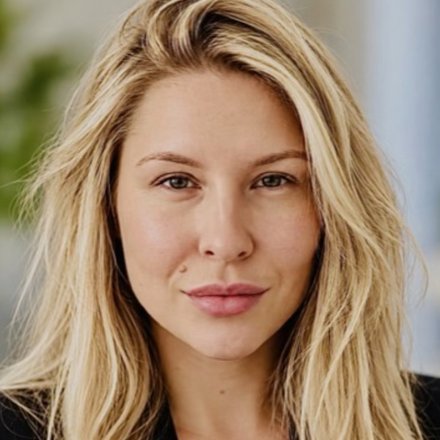
Dr. Carrie Muchow
Dr. Carrie Muchow is a co-founder of Bench Strength Advisors and co-leads its leadership development programs. She holds a master’s and a Ph.D. from Teachers College, Columbia University, with advanced training in neuropsychology.
Leadership and personal purpose
Jeffrey Cohn’s work examines how organizations recognize leadership potential, make consequential appointments, and develop the people on whom their future depends. Through Imperfect Leaders, he has explored leadership with executives, founders, and scholars. The next step is to investigate this possibility systematically.
“As the father of an autistic son, I have a personal reason to ask how leaders make room for different minds. As an adviser to boards and CEOs, I have a professional reason to insist that we examine the question carefully.”
Jeffrey Cohn · Study lead
Participate
We invite CEOs parenting neurodivergent children to a confidential interview. We are equally interested in change, no change, and contradictory experiences. An expression of interest is not enrollment; arrangements are established before the study begins.
A 45-minute confidential interview. Participants receive the findings before public release.
Participation is by invitation; expressions of interest are reviewed personally.
Express interestSupport the study
This is independent research, made possible by patrons and sponsors. Support funds the interviews, the analysis, and publication of the findings — whatever they show.
Patrons receive a pre-release briefing and seats at the findings convening.
Discuss supporting the studyThe study is funded by patrons and sponsors who have no role in the findings, the analysis, or the selection of participants.